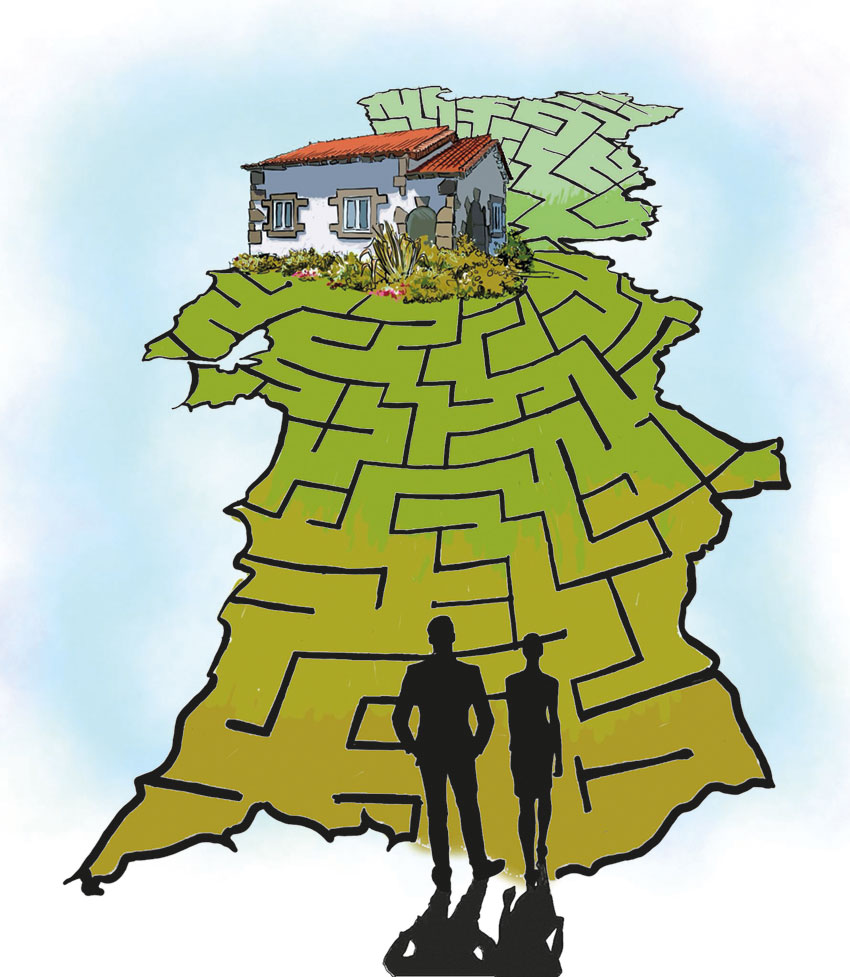
Navigating Real Estate
Flavia L. Lamattana
Portugal, with its stunning landscapes, vibrant culture, and inviting climate, has emerged as a highly sought-after destination for property buyers worldwide. Yet, beneath its surface allure, challenges can make the dream of homeownership seem like an uphill battle. From skyrocketing property prices to bureaucratic red tape and cultural barriers, navigating the Portuguese real estate market can be a daunting task, particularly for first-time buyers. This article marks the beginning of a series planned by OICV to assist immigrants in Portugal in making more informed decisions when contemplating a property purchase.
Property prices have soared to unprecedented heights. The allure of urban living and seaside retreats has fueled demand, creating a very competitive market. However, Portugal is facing a housing crisis, often attributed to immigration. Conditions are more complex due to fluctuations in government regulations regarding property taxes, mortgage lending, and housing subsidies can have a significant impact on market dynamics. Negotiation is key, and buyers have the option to enlist private inspectors or contractors to assess the property and estimate renovation costs. For those considering investments, understanding your target region is essential. For example, according to real estate agencies, properties in Lisbon saw only a 3% appreciation in 2023, whereas in Caldas da Rainha, the appreciation was 8%.
Contributing to the challenge of affordability is the scarcity of available properties. This is particularly true in sought-after locations, where the limited supply is failing to keep pace with the growing demand. Always consider exploring properties in adjacent neighborhoods or areas where you may find more favorable prices and negotiating conditions. Purchasing a property here involves navigating a labyrinth of time-consuming bureaucratic procedures. Seeking assistance from a knowledgeable local professional familiar with the process can help streamline the transaction and avoid potential pitfalls. For example, it is not uncommon to encounter issues such as discrepancies in the property registry or unauthorized additions to the house, such as an extra bedroom built without proper permits that must be reviewed before signing any pre-contract agreements. Lack of transparency or legal ambiguities in the contract could leave buyers vulnerable to exploitation.
When considering legal and tax issues, ensure that the registered construction area matches local municipality records and if all taxes associated with the property have been paid. In Portugal, taxes related to home purchases may include the Property Transfer Tax (IMT), which ranges from 0% to 8% for individuals, Stamp Duty (Imposto do Selo) at 0.8% of the property value, the annual property tax paid by owners (IMI), registration fees, and Taxas de Imposto sobre Valor Acrescentado (IVA) in the case of substantial renovations, with a standard rate of 23% (with possible reduced rates ranging from 6% to 13% for specific property types or circumstances). Additionally, specific taxes apply to mobile or pre-built homes. Negotiating contracts, understanding legal documents, and communicating with local stakeholders all demand fluency in the language and a grasp of Portuguese culture. Many find it invaluable to seek professional support, preferably from someone who understands the process in Portugal and can explain the various terms and procedures.
Banks in Portugal operate differently from those abroad (as many foreigners have experienced when attempting to open a bank account here!). Additionally, banks typically enforce strict lending criteria, such as meet specific eligibility requirements to qualify for a mortgage or require a substantial upfront payment from borrowers. It is important to be anticipate hidden costs and fees Even when buyers are not responsible for paying agent commissions, expenses such as notary fees and property transfer taxes will be added. Associated with upgrade costs and licenses, the future owner must calculate if the operation will be an asset or a loss.
The challenges of purchasing property differ between rural and urban areas, influenced by factors such as infrastructure, affordability, accessibility, amenities, and investment potential. It’s important for buyers to carefully consider their priorities and understand that rural properties may have a slower turnover rate, potentially taking years to find a new buyer. Misunderstanding certain terms can cause problems, for example, energy rating is a crucial consideration when purchasing a house in Portugal. Some individuals may associate this term with carbon emissions or a sustainable lifestyle, but in Portugal, many houses (particularly those built before the 2000s) were constructed without energy performance. This can result in higher long-term operational costs and affect occupants’ comfort and health due to issues such as humidity and mold. Houses with lower energy ratings, such as E or F, may initially appear more affordable, but buyers should carefully consider the long-term implications and associated costs.
In conclusion, while realizing the homeownership dream can involve navigating soaring prices, grappling with bureaucratic red tape and cultural barriers, with careful planning and expert guidance, it can ultimately be a rewarding experience! ■
Image: Robert Hanson
Feature Editor: Lucy Gray
